
How Electric Mobility Can Revolutionise India’s Transport and Economy
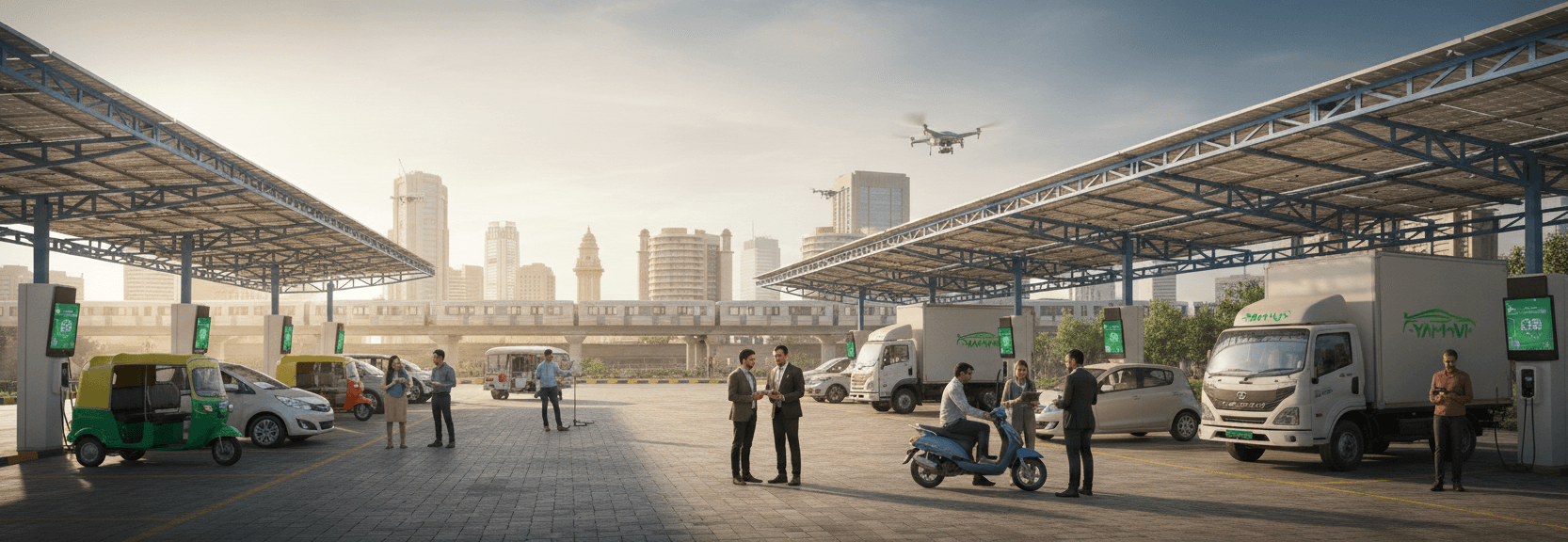
Electric mobility is rapidly transforming India’s transportation system while driving sustainable economic growth. The adoption of electric vehicles marks a major step toward cleaner air, job creation, and reduced dependence on fossil fuels. Companies like Yahhvi - EV Charging are actively contributing to India’s sustainable mobility ecosystem by developing smart charging infrastructure.
Why Electric Mobility is Essential for India
India faces two major challenges — rising pollution levels and dependency on imported fossil fuels. With increasing urbanisation and vehicle ownership, sustainable transportation has become extremely important.
- Reduction in greenhouse gas emissions
- Lower fuel consumption costs
- Improved energy security
- Better air quality in urban regions
Economic Impact of EV Adoption in India
The growth of electric mobility is creating new economic opportunities across manufacturing, technology, and services. Employment generation is expected to rise significantly in battery production, vehicle engineering, and infrastructure deployment.
Government programs such as the FAME scheme are accelerating EV adoption by providing financial incentives and infrastructure support to manufacturers and consumers.
Challenges in Electric Vehicle Adoption
Despite rapid growth, electric mobility faces certain challenges including high initial vehicle cost, limited charging networks, and awareness barriers among consumers.
Companies like Yahhvi - EV Charging - EV Charging are working to bridge infrastructure gaps by deploying smart charging solutions across urban and rural regions of India.
The Future of Sustainable Transportation
Electric mobility represents more than technological advancement — it is a movement toward environmental sustainability, energy independence, and economic resilience.
The transition to electric transportation will contribute to cleaner cities, reduced fuel dependency, and improved public health outcomes.